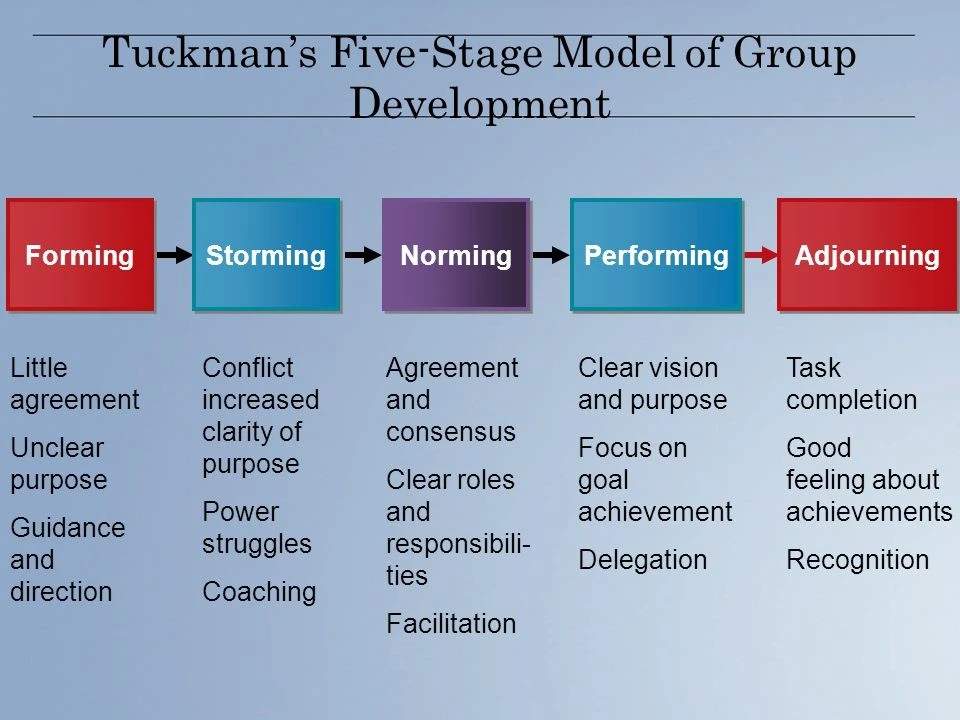
This article follows the previous one “How Business Coach Uses Bruce Tuckman’s Model to Strengthen Project”, specifically in terms of managing project team and ensuring project success as a result of effective collaborative teamwork. Conflict is a natural and unavoidable part of teamwork. Diverse personalities, goals, pressures, and communication styles create friction—and that friction can either drive innovation or destroy collaboration. The difference lies in how conflict is managed.
Let’s start with the definition. The Thomas–Kilmann Conflict Mode Instrument (TKI) is one of the most effective frameworks leaders use to understand and navigate conflict constructively. It helps individuals (leaders / CxO / executives) become aware of their default conflict-handling style and learn to adapt their approach to achieve better outcomes.
TKI model identifies a person’s preference among five conflict-handling modes (Competing, Collaborating, Compromising, Avoiding, Accommodating) based on two dimensions: Cooperativeness (Focus on others’ needs) and Assertiveness (Focus on own needs).
As you see, the chart above shows position of each mode in mentioned dimensions. A table below shows counterparts mutual activity and benefits (who wins, if any) for each party (YOU means your counterpart).
To add more colors (in a few words) to interpretation of the five modes (short behavioral anchors):
You may ask me – how it may help in practice? By what means?
In fact, TKI helps teams by:
From other perspective, as an executive coach I use it to:
Please don’t treat it as a label — treat it as a tool for experiments and skill-building. Here I must emphasize the Critical and Important Awareness of Leadership.
What is worth to notice: no conflict mode is inherently bad — every mode becomes dysfunctional when used by habit rather than by choice, and quite effective when used intentionally after thorough consideration.
To make your life easier, I provide below a short cheat-sheet for the busy executive:
So, the relevant questions is how to apply the knowledge above to practical conflict resolution? In other words – are there any circumstances that suggest the most effective use of a particular mode?
Not the last question: in what environment it is not recommended to use a particular mode? In the table below, you may find a brief answers:
• When a decisive action is required quickly (e.g., safety, compliance);
• When protecting core values or non-negotiable priorities;
• When unpopular but necessary decisions must be made;
• For strategic, complex, or value-driven issues;
• When relationships and innovation are long-term priorities;
• When integrating diverse perspectives is essential;
• When a quick, balanced solution is acceptable;
• When time or resources are limited;
• To resolve temporary or moderately important issues;
• When long-term quality matters more than speed;
• When deeper values or principles are at stake;
• When “splitting the difference” leaves both sides unsatisfied;
• To cool down emotional tension before engaging;
• When the issue is trivial or will self-resolve;
• When you need more data or clarity before deciding;
• When inaction worsens the problem;
• When it signals avoidance of accountability;
• When it enables toxic behavior or festering resentment;
• To build goodwill or maintain harmony
• When the issue matters more to the other party
• When you realize your position is weaker or mistaken
• When your silence sacrifices essential principles
• When it builds dependency or erodes your credibility
• When repeated yielding creates imbalance or burnout
In this format TKI framework looks much more actionable, am I right? Please give me a feedback to office@graffin.pl